
Dear friend,
“Chicken salad” I scribbled on the blue painters tape before sticking it on the lid of a Tupperware filled to the brim. I gathered my container, along with some brioche buns and sliced watermelon I’d tucked carefully into a Ziplock, before beginning the twenty minute drive to a friend in need. I stood in her doorway as I handed off the humble supper, keeping conversation very simple. Those in need don’t always want to talk. Sometimes they like to cocoon and rest in the safety of home — but food creates a triage during such times. At some point, everyone needs to eat and in such moments, we soldiers who wear our aprons as combat gear arrive for duty.
I’ve been considering my kitchen lately as ground-zero for the much important work at hand; a side dish for a farewell party, hobbit-style rolls and sausages for an upcoming LOTR adventure, appetizers for a baby shower, pork carnitas for a family friends graduation party, and prepped meals for an extended family weekend at the lake. That’s to say nothing of the daily meals that keep our own family, those who find their way to our table, and a plethora of neighborhood children and friends fed and happy.
Each of these needs, at its core, is just some combination of common ingredients: olive oil, flour, bell peppers, roast, salt, lime juice, yogurt, eggs, ham slices, or basil. But such is the common art of cooking.
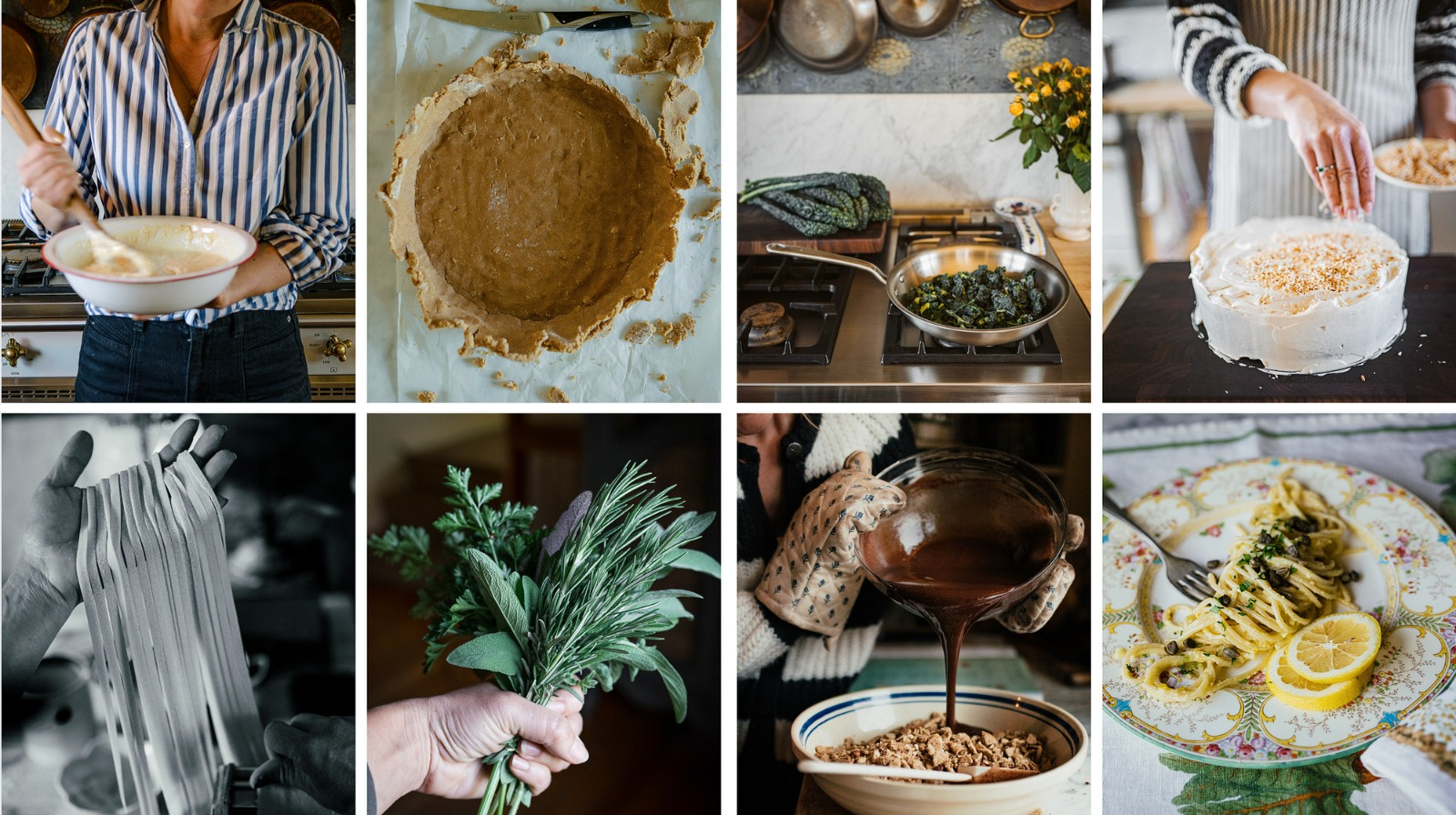
I actually quite like this term for what happens in the home kitchen. For six years on our podcast we’ve been “rescuing the art of homemaking from the daily grind” and time in the kitchen is no different.
Though the word ‘common’ may cause some to see such tasks as boring or tepid, I interpret it as sturdy and steadfast. Common means that the work of our kitchens is consistent, a steady pace that matches the normal schedule of hunger. It means that food is not meant to impress, but to provide what is commonly needed by the common folk — nourishment and respite. Such a common kitchen steadily dishes up, over and over again, that which is needed using that which is provided. Such a kitchen is not flashy or pompous, but rather, celebratory of ordinary provision and harvest.
Such a kitchen is used.
Yet to counter such commonness, we recognize the art form that the home cook has the opportunity to pursue. Lest you think I mean fancy smears on plates or oddly flavored foams adorning the breakfast plate, I assure you, this is not at all my point. The Cooking Community and I have spoken at length over the years over the beautiful art form that is the home cook; in her efforts, year upon year, she begins to develop a special sense of taste, budget, pacing, planning, resourcefulness, and delight in her kitchen. She knows how to use the handful of strawberries left in the refrigerator — slicing them up thinly and tucking them into a spinach salad, alongside purple onion and walnuts — just as she knows how to use the remnants of a smoked ham hock in a vat of split pea soup (she makes extra to freeze or to share with others). Last winter, longtime Cooking Community member Yana taught us the joy of “jam tea” in which a spoonful of homemade jam (or remnants scraped from the very bottom of the jar) is mixed in a mug of hot water. Resourcefulness and delight at its best!
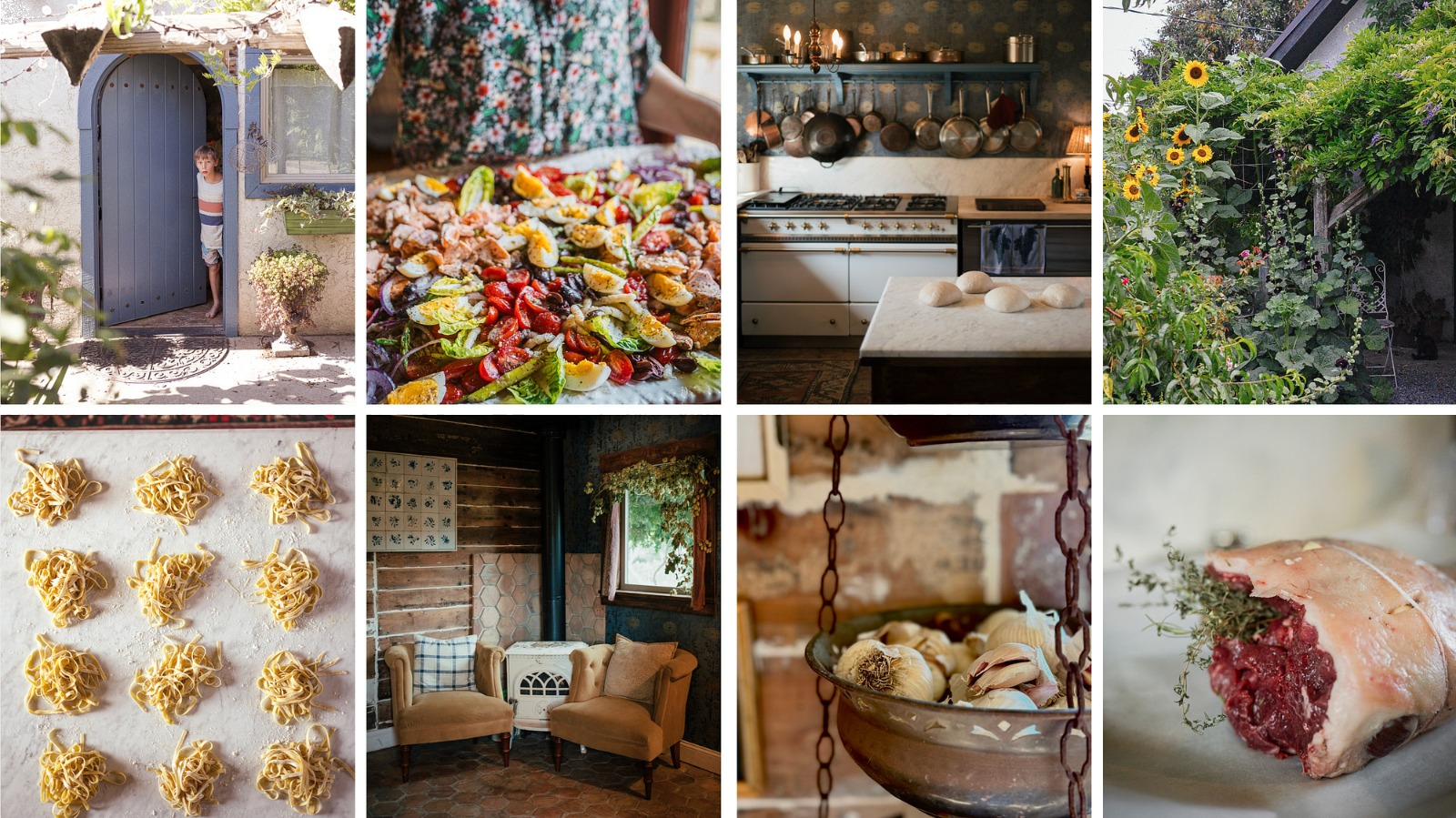
The art of this common art is the simmering of chicken bones to make stock, the management of pantry items to keep them free from pests, the sprinkling of calendula petals and borage flowers over whipped butter, the tending of herbs outside the kitchen door for pleasure, and the drying of these same herbs for dark and sterile winter months. The art in my own kitchen looks like fresh tea towels each morning, flowers from the gardens in jars on the counter to welcome all who enter, and training my instinct to know when people need food and what would serve them best.
I returned home from delivering dinner to a fairly tidy kitchen (having spent the morning mopping up unknown substances from the sticky floor and garbage can). The remaining chicken salad was happily tucked away in the refrigerator, the other half of the watermelon snuggled up alongside it. Dinner was accounted for. I threw out a last minute invite to my parents who unbeknownst to me had zero dinner plans still at 5:00 (they’d spent the afternoon shuffling cars to and from the mechanic).
And so we sat at the kitchen table with them, filling warmed and toasty tortillas with chicken salad and bright green gem lettuce leaves, adding a handful of cheese-puffs on the side for good measure. I forgot the watermelon, but no one minded. We sat in my common kitchen, ate delightful and simple food off paper plates, and relished in the art of such a moment.
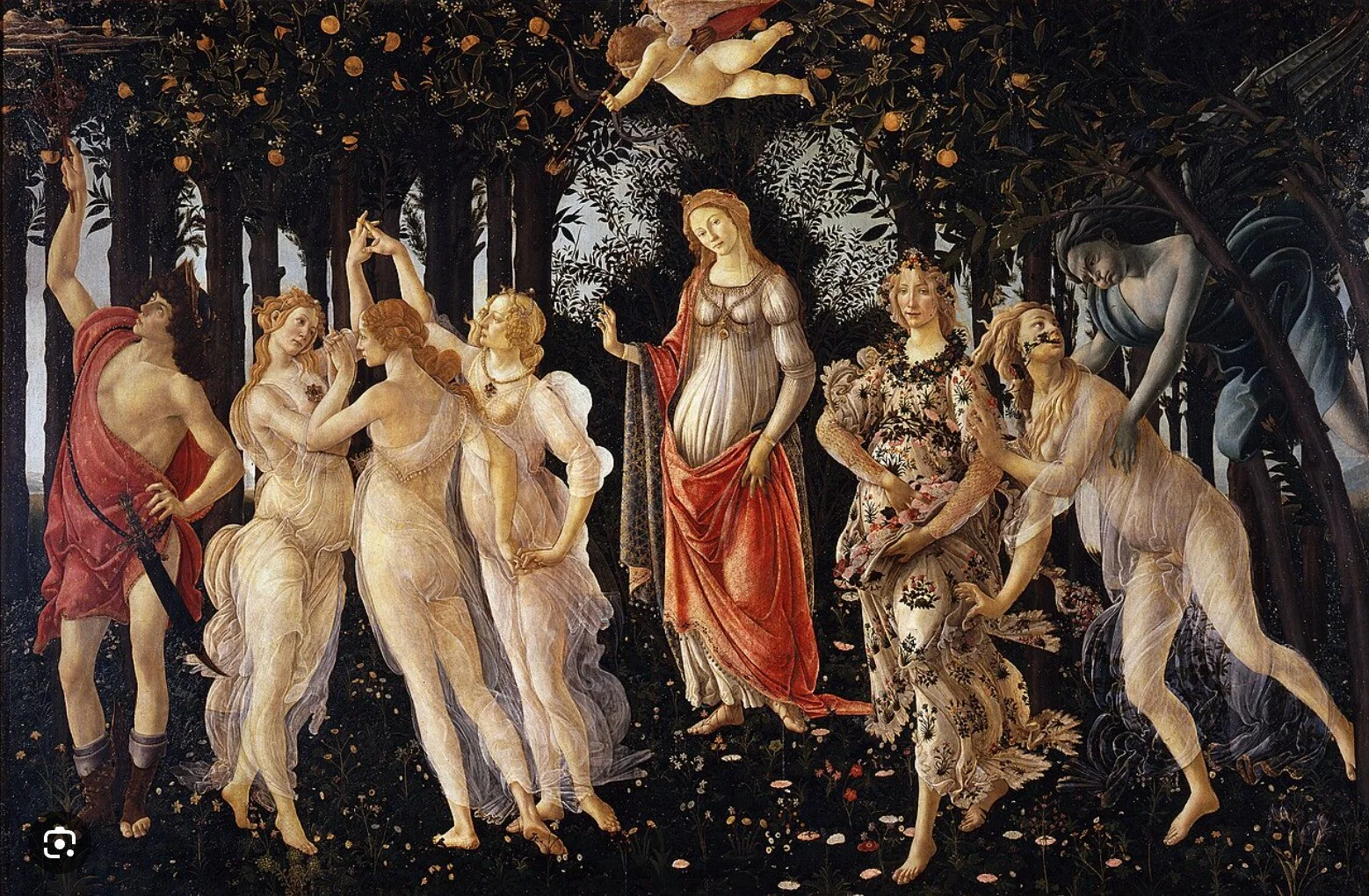
Any home cook knows no less than a hundred decisions and actions are represented in such a moment, from the chicken bought to defrosted to roasted to a thousand micro actions in between. In such a moment, I think of mimicking my favorite Italian artist, Sandro Botticelli. A lifetime of hard learning and effort to train an artist’s skills are represented as flowing lace, flower blossoms, and the soft lines of a woman’s face. To view a Botticelli painting is to delight in the seemingly effortless, yet behind the unbelievable artistry is the common work of hard training and practice — every day methods used to create some of the highest art humans have ever witnessed.
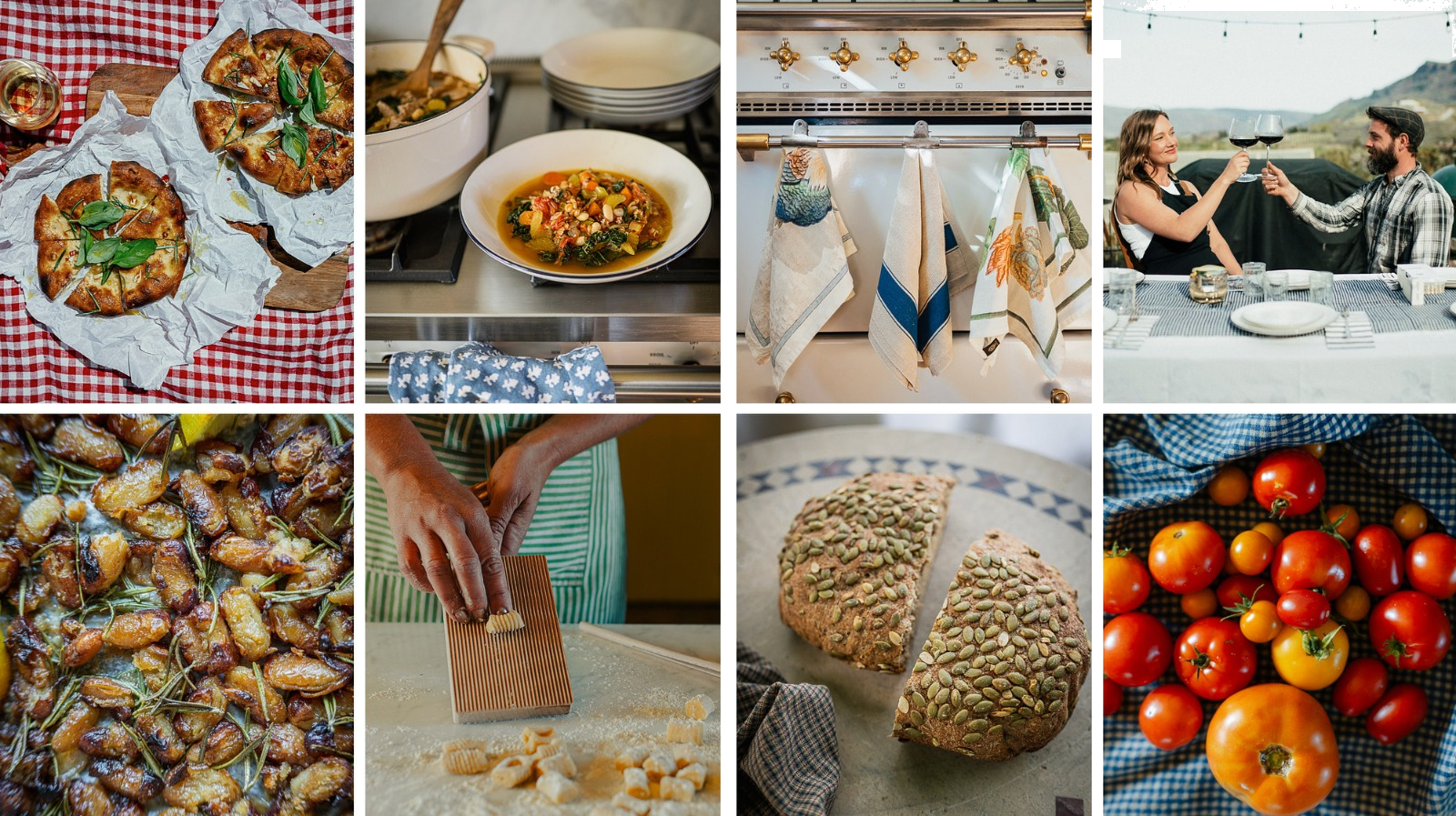
Sure. My art form looks like a Tupperware of chicken salad, but I hope Botticelli would be delighted none-the-less. Surely he ate. Would he not enjoy the crust of a freshly baked loaf of bread? The comfort of a braised meat? The delight of a sliced and seasoned summer tomato? We all need to eat; this means that some of us need to tie on our aprons, drizzle the oil, mince the parsley, pour the wine, and delight in the common art we’re invited to create.
Love,

Try The Cooking Community free for 14 days
If you love cooking along with me, there’s plenty more where this came from. Join home cooks from around the world for new recipes, instructional videos, kitchen inspiration, and good conversation. Start your free two-week trial here.
